Clocks
Why Clocks Make Great Practice
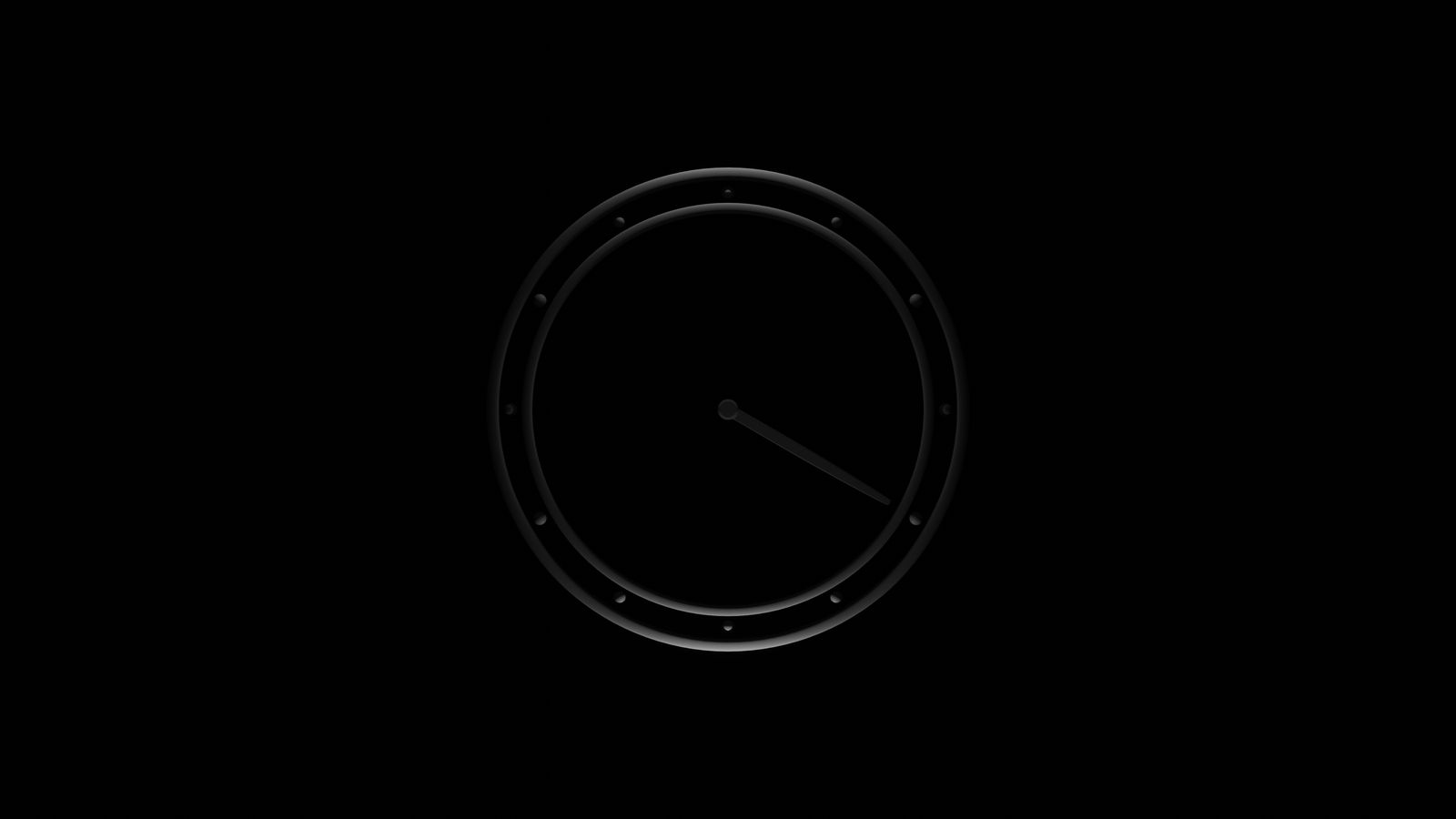
Clock interfaces sit at a productive intersection of visual design and technical constraint. Every clock needs to solve the same core problems: circular layout, rotating elements, time-based state, and readable typography at multiple scales. But the number of ways you can approach those problems in the browser is enormous.
A pure CSS analog clock forces you to think about transform-origin, rotation math, and how transition-timing-function affects perceived smoothness. An SVG version opens up path-based tick marks, gradient fills, and more precise control over stroke rendering. Adding JavaScript for real-time updates introduces requestAnimationFrame patterns, timezone handling, and DOM update efficiency.
The pieces in this collection range from minimal single-element experiments to fully detailed skeuomorphic reconstructions. What they share is a commitment to doing the work in the browser rather than faking it with a flat image.
Pattern Notes
Most clock implementations fall into three structural approaches:
CSS Transform Rotation uses transform: rotate() on hand elements, with the rotation angle calculated from the current time. This is the lightest approach and composites well on the GPU, but offers limited visual complexity for tick marks and numerals.
SVG Coordinate System positions elements in a viewBox coordinate space, using SVG transforms or SMIL animations. This gives pixel-precise control over every visual element and scales cleanly, but requires comfort with SVG’s coordinate model.
Canvas Rendering draws the clock face programmatically on each frame. This offers maximum visual flexibility and performs well for complex faces, but loses accessibility since canvas content is not part of the DOM.
Accessibility Considerations
Decorative clocks should use aria-hidden="true" if a text-based time display is also present. If the clock is the primary time indicator, include a visually hidden live region that announces the time at reasonable intervals. Animated second hands should respect prefers-reduced-motion by pausing or switching to a static display.
Related Reading
- Animated Clock: Pure CSS is a featured study in this collection
- Recreating Visual Shots in HTML and CSS covers the general approach to translating visual references into browser code
- Animation Performance in Real UI discusses compositor-friendly transforms and frame budget management
- Accessibility for Decorative Motion covers reduced-motion strategies for visual interfaces