The Case for Small Reusable Pattern Libraries
Every front-end developer I know has a bookmarks folder full of CodePens, articles, and demos they saved because “this might be useful later.” And every one of them rarely opens that folder. The save-and-forget pattern is universal, and it wastes an enormous amount of accumulated knowledge.
The alternative is maintaining a small, personal pattern library: a collection of tested code snippets, components, and techniques that you have actually used and adapted. Not a design system. Not a comprehensive framework. A notebook of working patterns, sized and organized for one person’s workflow.
Why Small Beats Comprehensive
Large pattern libraries have a maintenance problem. The more components they contain, the more surface area there is for staleness, inconsistency, and bit rot. A 200-component library maintained by one person is fiction. A 20-component library maintained by one person is practical.
The goal is not to cover every possible UI pattern. It is to cover the patterns you actually use. If you build card layouts frequently, have a card pattern. If you build form controls often, have a form pattern set. If you never build data tables, do not include one just for completeness.
What Goes In
A pattern library entry should contain four things:
Working code. Not a screenshot. Not a description. The actual HTML and CSS (and JavaScript if needed) that produces the pattern. Keep it as minimal as possible while remaining functional.
Usage context. A sentence or two about when this pattern is appropriate. “Horizontal card layout for content lists where image and text are equally important.” This prevents the pattern from being used in the wrong context.
Known limitations. What does this pattern not handle? “Does not support images with aspect ratios wider than 2:1.” “Breaks below 280px viewport width.” Every pattern has limits. Documenting them prevents surprises.
Customization points. Which values are meant to be adjusted? Which CSS custom properties control the theming? What is the minimum HTML structure that must be preserved? This makes adaptation deliberate rather than improvised.
Organization Approaches
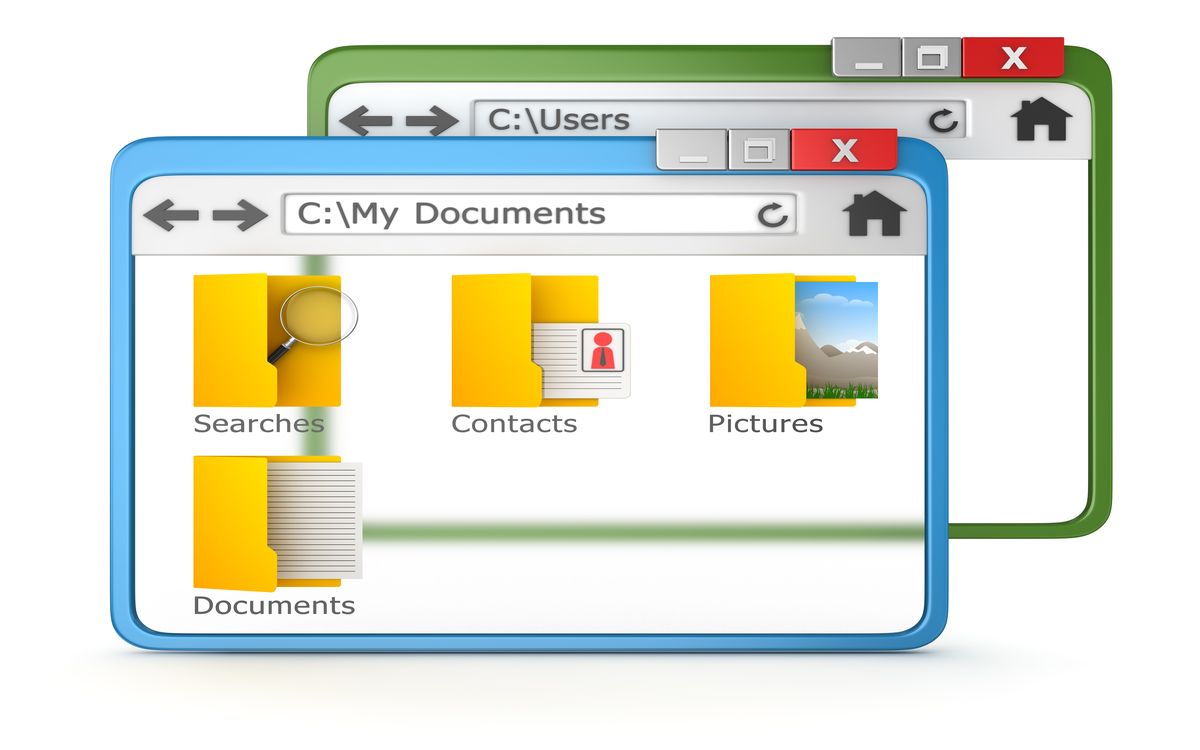
For 10 to 30 patterns, a flat structure works: one file per pattern, named descriptively. card-horizontal.html, loader-ring.css, nav-sidebar.html. A table of contents file that lists all patterns with one-line descriptions makes the collection browsable.
If patterns start to cluster (three different card variants, four button styles), group them into categories. But resist over-categorizing. A two-level hierarchy (category > pattern) is the maximum for a personal library. Anything deeper and you have built a framework you will not maintain.
Keeping It Alive
The pattern library is only useful if it stays current. Two practices help:
Extract, do not create. Add patterns to the library after you have used them in a real project, not before. This ensures everything in the library has been tested in a real context. It also means the library grows organically from your actual work rather than becoming a theoretical exercise.
Review quarterly. Every few months, scan the library for patterns you have not used. If something has sat untouched for six months, consider removing it. A lean library is more useful than a comprehensive one because every entry has proven its value.
The Compound Effect
The real value of a pattern library emerges over time. After a year of consistent maintenance, you have a collection of 15 to 25 patterns that you know work, that you have tested across projects, and that you can drop into new work with confidence. The time saved per project is modest (maybe an hour or two), but compounded across dozens of projects, it is significant.
More importantly, the library becomes a record of your craft. It shows how your approach to common patterns has evolved. Looking at how you built a card layout two years ago versus today reveals growth that is hard to see in any other way.
Related Reading
- How to Document UI Experiments covers the documentation practices that feed into pattern libraries
- CSS Architecture for Small Visual Projects discusses organizing CSS at the project level
- From CodePen to Production Thinking covers hardening experimental code